 New
New
Custom Machining
Custom CNC Machining Service
Send a drawing or a sample — get a manufacturability review and a firm quote.
View details MACHININGDongguan Hairuixing Technology Co., Ltd.
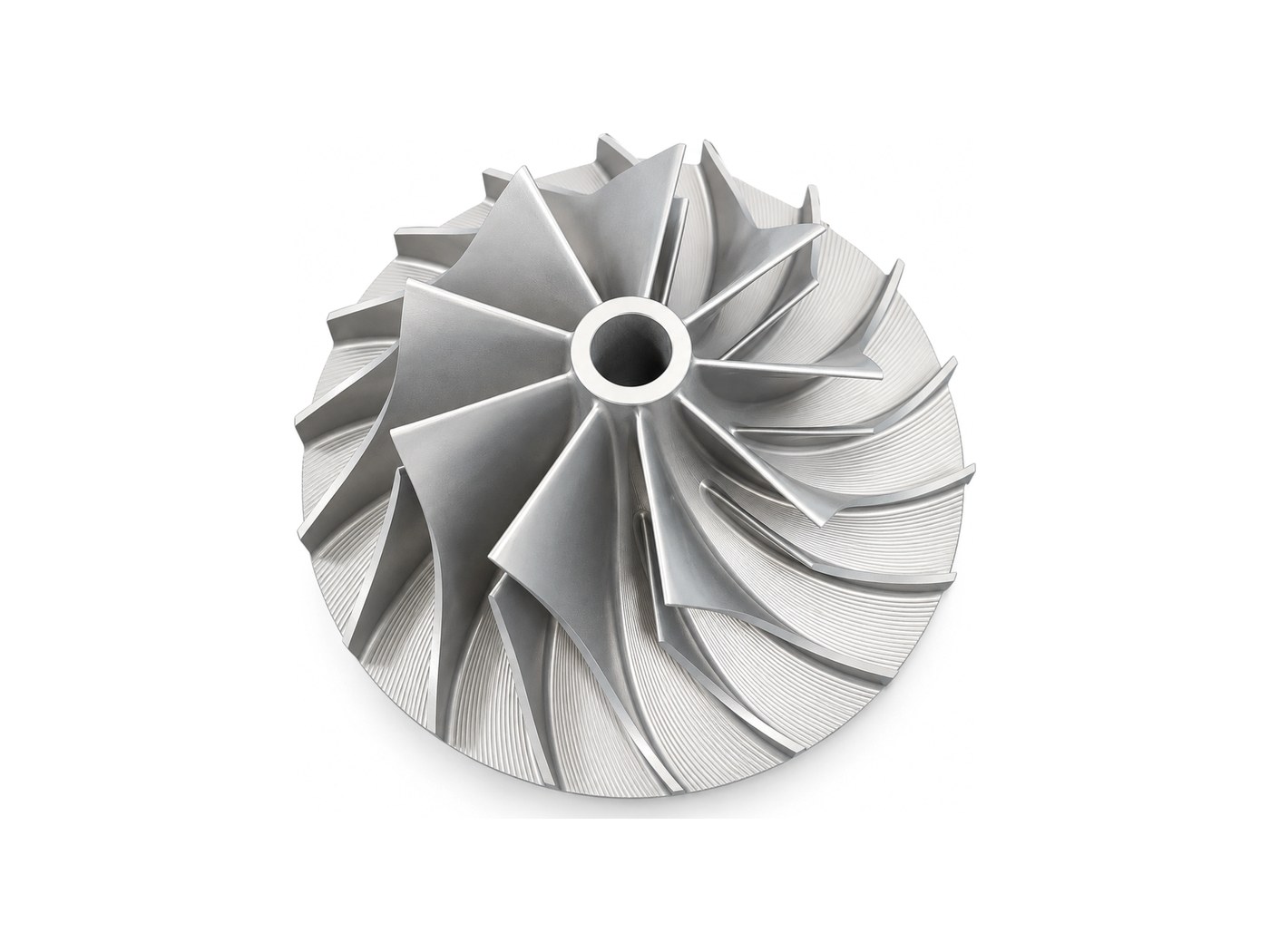
Five-axis machining lets us reach five faces of a part in one clamping. For impellers, turbine blades, orthopaedic implants and any part with a compound-curved surface, that means no re-fixturing error, no datum transfer between operations, and tolerances that hold across features on opposite sides of the component.
| Machining centres | 2 × simultaneous 5-axis |
|---|---|
| Working envelope | Ø 650 × 500 mm |
| Standard tolerance | ±0.01 mm (±0.005 mm on request) |
| Surface finish | Ra 0.8 µm as machined, Ra 0.4 µm on request |
| Materials | Aluminium, stainless steel, titanium, brass, copper, engineering plastics |
| Programming | CAM with full 5-axis toolpath simulation and collision check |
| Inspection | CMM with 20 ±1 °C temperature control, full dimensional report |
| Lead time | 10–20 working days, prototypes from 5 days |
Every re-clamping introduces a fresh datum error. Machining five faces in one setup removes that error entirely — features on opposite sides of the part stay related to each other within a single tolerance chain.
Impeller blades, turbine wheels and orthopaedic implants have surfaces that curve in two directions at once. The tool tilts to stay normal to the surface, so scallop height stays even and you get a real finish instead of a staircase.
Tilting the head lets a short cutter reach a deep pocket. Shorter tools deflect less, so walls stay straight, chatter disappears and thin floors hold their thickness.
Every 5-axis programme runs through a full machine simulation with collision and near-miss detection before it reaches the shop floor. Expensive parts are not where you discover a toolpath mistake.
When the part needs features on more than three faces, when surfaces curve in two directions at once, or when the tolerance chain spans opposite sides of the component. If a part can be done accurately in two 3-axis setups, we will tell you that instead — 5-axis is not automatically better.
Both, depending on what the geometry needs. True simultaneous 5-axis is used for blades and free-form surfaces; 3+2 positional is used when you simply need to reach an angled face with a rigid, short tool. We state which approach a part needs on the quotation.
A 3D solid model (STEP or IGES) is best — 5-axis toolpaths are generated from the solid, not from a 2D drawing. Send the STEP file plus a PDF drawing that marks the critical tolerances and surface finishes. We return a manufacturability review and a firm price within 24 working hours.
Yes. We run Ti-6Al-4V and Ti-6Al-4V ELI routinely for medical and aerospace parts, and we machine stainless 17-4PH and 316L. For nickel-based superalloys, tell us the grade on the enquiry — cutting parameters and tooling are quoted case by case.
New
Send a drawing or a sample — get a manufacturability review and a firm quote.
View details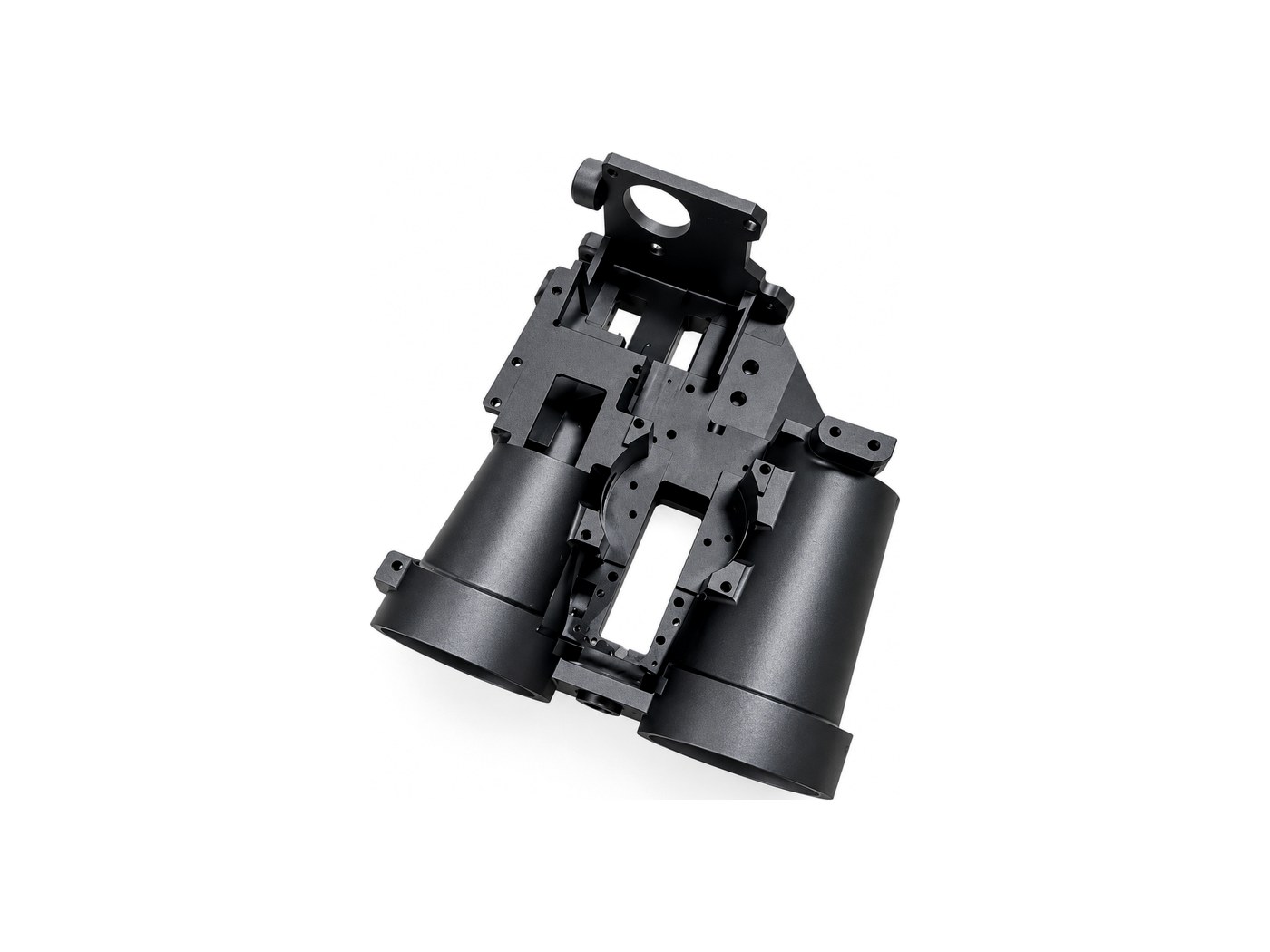
Thin-wall tubes, binocular bodies, baffle cones and eyepiece holders — machined to one datum.
View details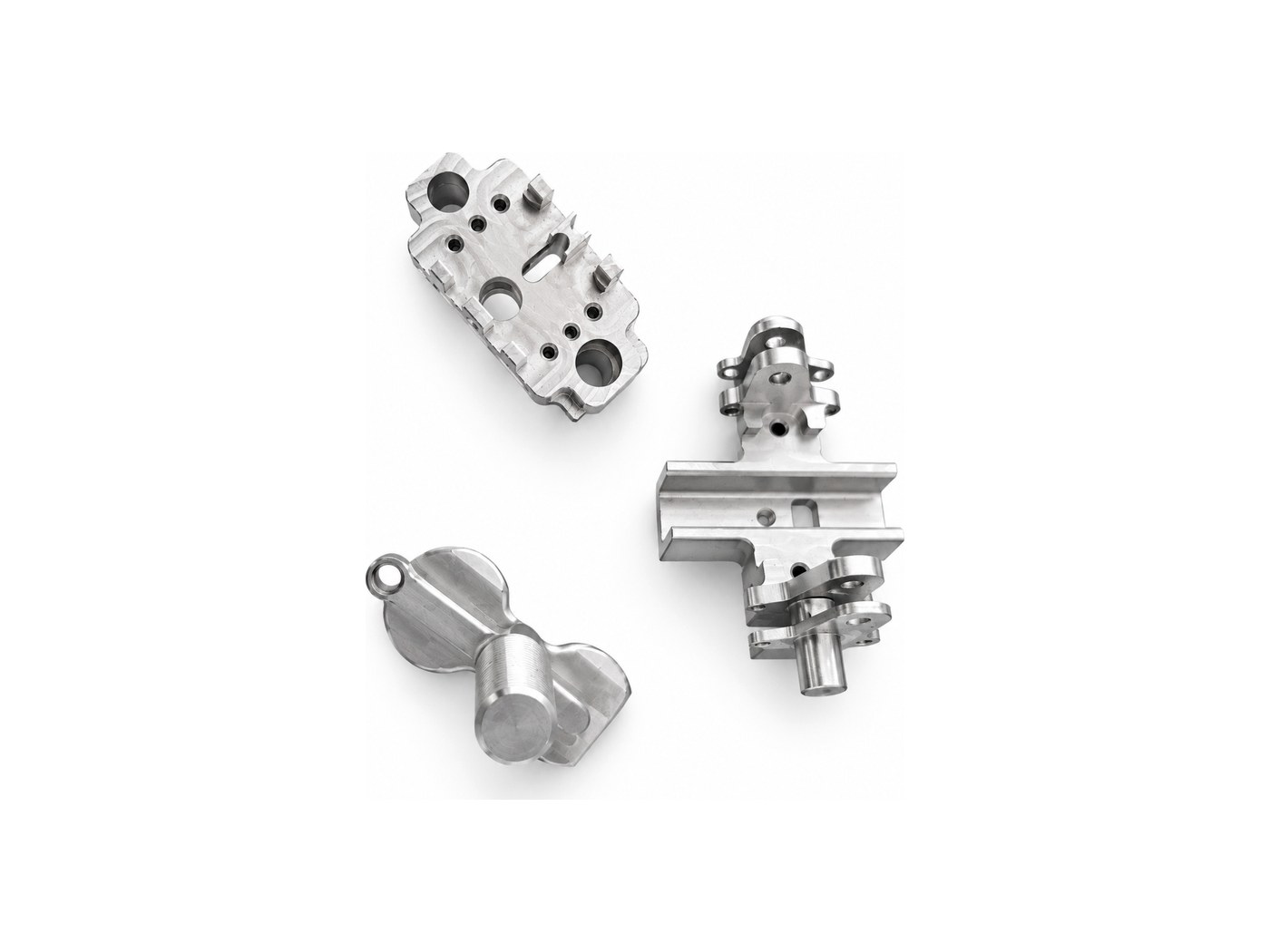
Instrument bodies, bone plates, drill guides and implant trial components.
View detailsSend your drawing and receive a manufacturability review plus firm pricing within 24 hours.